
Rider Job in UAE: How Apps Are Changing Delivery Work
Technology has transformed how delivery businesses operate across the UAE. Today, mobile apps play a major role in helping riders accept orders, find locations, and track deliveries. For anyone pursuing a rider job in UAE, understanding these modern technologies is vital for everyday success.
Delivery riders no longer depend only on paper instructions or phone calls. Instead, digital platforms now guide almost every part of the delivery process.
Furthermore, smart technology helps companies manage large rider teams efficiently. Dispatch managers can monitor active orders, track performance, and solve delivery issues faster. Meanwhile, riders receive real-time information that makes their daily operations smoother.
For businesses, these digital systems create faster service and better operational control. For workers, they build a far more organized working environment.
Companies like Simba Rider Delivery support local businesses that need dependable food delivery capacity built for speed, reliability, and scale. Their rider network ensures every meal arrives hot, fresh, and on time.
How Apps Improve a Rider Job in UAE
A modern rider job in UAE involves much more than driving from one street to another. Riders must manage orders, choose routes, handle customer communication, and meet strict time targets.
Delivery apps bring all these complex tasks together in one simple place.
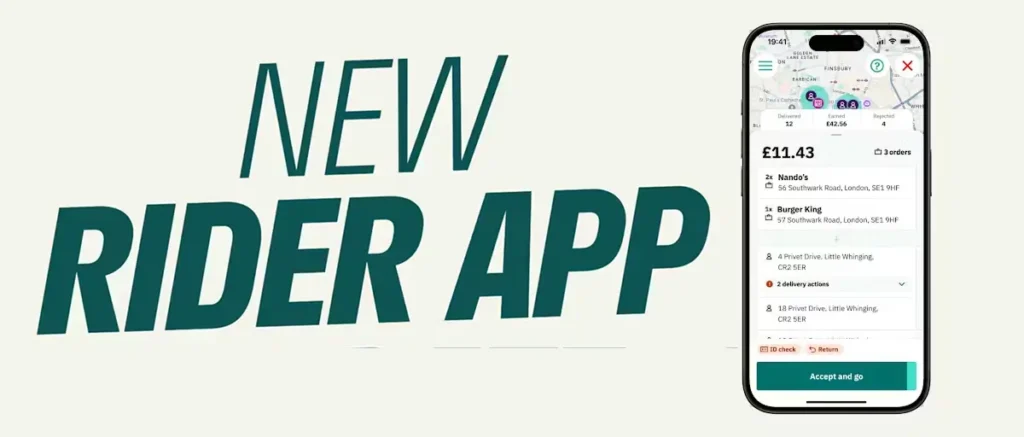
For example, a rider receives an incoming request directly through an app interface. The screen shows pickup locations, customer addresses, order details, and special instructions. After collecting the meal, the rider follows digital navigation straight to the final destination.
Consequently, fewer manual steps are needed to complete a delivery run.
Apps also update delivery milestones automatically. A rider can tap simple buttons like “order collected,” “on the way,” or “delivered.” Therefore, customers and dispatchers see progress without making constant phone calls.
This clear system improves total communication between riders, customers, restaurants, and management teams.
Navigation Tools for Every Rider Job in UAE
Navigation apps are among the most important tools for delivery workers today.
The UAE features busy highways, large residential communities, and complex commercial districts. Finding the correct building entrance can often prove difficult, especially for new workers.
GPS-based apps provide turn-by-turn directions directly to the user. They also highlight real-time traffic conditions and suggest alternative routes around heavy congestion.
As a result, riders spend far less time searching for confusing addresses.
Accurate navigation directly supports punctuality. When riders review their route before starting the engine, they plan their journey much more effectively.
However, riders should never depend blindly on digital maps alone. Unexpected road closures, construction zones, parking restrictions, and building access rules can alter suggested routes.
Therefore, developing local road knowledge remains extremely valuable for long-term success.
       +-------------------------------------------------------+
       |               SMART DELIVERY WORKFLOW                 |
       +-------------------------------------------------------+
       |  1. Order Notification  --> Accepted via App        |
       |  2. Smart Navigation    --> GPS Routing & Traffic     |
       |  3. Status Update       --> Automated Tracking        |
       |  4. Cashless Payment    --> Instant Digital Transfer  |
       |  5. Digital Confirmation--> Photo/Code Proof          |
       +-------------------------------------------------------+
Performance Tracking and Data Usage
Technology has turned modern delivery operations into a data-driven field.
Apps continuously record delivery duration, completed orders, total distance, order cancellations, and other operational metrics. Company managers analyze this data to evaluate performance across different districts.
For instance, an employer might notice that deliveries take longer in specific areas. The team can then adjust rider allocations or resize delivery zones to solve the issue.
Similarly, dispatch managers study peak dining hours to optimize scheduling. They place more riders on the road during busy lunch and dinner hours.
This structured approach increases company efficiency while reducing unpaid waiting times for workers.
Riders can also use personal performance metrics as constructive feedback. They learn where delays usually happen and refine their habits accordingly.
Nevertheless, riders must understand how performance monitoring platforms function. Clear employer policies help prevent confusion regarding target goals, performance bonuses, and quarterly reviews.
Better Order Management Through Mobile Software
Managing several order requests simultaneously becomes difficult without a dedicated system.
Modern delivery software organizes active orders according to priority, drop-off location, and time constraints. Some applications even display specific pickup deadlines to keep riders on schedule.
Therefore, riders manage heavy workloads with lower stress levels.
A rider might receive multiple delivery assignments during a busy evening shift. Instead of memorizing every address manually, the mobile app securely stores all relevant instructions.
This digital tracking minimizes the risk of losing physical receipts or missing customer requests.
Furthermore, saved app records help clear up unexpected customer disputes. If a client claims an order was missing, the system checks saved timestamps and coordinates.
That historical data allows management to resolve complaints fairly and quickly.
Digital Proof of Delivery Solutions
Confirming completed orders has become far easier thanks to smartphone tools.
Depending on company rules, riders confirm drop-offs using quick tap buttons, customer PIN codes, electronic signatures, or photo uploads.
These digital mechanisms create instant, verifiable proof for every transaction.
Consequently, businesses reduce paperwork costs while building better accountability across their teams.
Digital proof also offers personal protection for delivery workers. If a customer incorrectly reports a missing package, saved digital records defend the rider’s record.
However, riders must strictly follow approved data protection guidelines. They should never store private customer details on personal devices or unapproved apps.
Cashless Transactions Make Work Safer
Payment technologies have fundamentally changed daily road operations.
Many consumers in the UAE now prefer paying through digital methods. Consequently, delivery riders carry far less physical cash during their daily shifts.
This transition makes the overall role simpler, cleaner, and significantly safer.
Cashless payments also eliminate manual math calculations on the doorstep. The delivery app clearly shows whether an order requires collection or was prepaid online.
Furthermore, digital payment systems allow finance teams to reconcile daily balances automatically.
For companies, this process reduces accounting mistakes. For riders, it removes the burden of managing large sums of money on busy roads.
Integrated payment tools also feed directly into backend payroll software. Systems calculate worked hours, completed orders, and bonuses automatically.
This connection is where modern hr and payroll software directly supports field operations.
+-------------------------------------------------------------------+
|                  TECH-DRIVEN ECOSYSTEM IN UAE                     |
+-------------------------------------------------------------------+
|  [Delivery Mobile App]  --> Tracks Orders, Navigation & Proof     |
|             |                                                     |
|             v                                                     |
|  [HR and Payroll Tools] --> Handles Salaries, Attendance & Bonuses |
|             |                                                     |
|             v                                                     |
|  [Workforce Outsourcing]--> Connects Top Global Talent to UAE      |
+-------------------------------------------------------------------+
How HR Solutions and Payroll Support Riders
Technology extends far beyond mobile delivery apps. Enterprise software platforms quietly streamline how large fleets operate behind the scenes.
Companies rely on professional payroll services to calculate rider earnings and track employment records securely. Automated platforms replace manual calculations, lowering administrative costs while eliminating payroll delays.
For growing logistics businesses, structured back-office software is essential.
A delivery company might manage hundreds of riders across multiple emirates. Handling attendance records, basic salaries, approved deductions, and performance bonuses manually leads to frequent mistakes.
Centralized software keeps all employee data accurately categorized in one location.
Logistics companies often partner with specialists offering complete hr solutions to streamline recruitment, onboarding, and compliance.
Businesses needing workforce support can partner with a specialized Recruitment company in UAE for candidate sourcing.
Organizations also implement payroll management inc systems when seeking structured administration for expanding operations.
In addition, companies seeking flexible staffing solutions can partner with Simba Requirements. They deliver premium outsourcing and outstaffing solutions that bridge the gap between global talent and your business, driving efficiency, reducing overheads, and fueling sustainable corporate growth. Their mission is to become the premier global bridge for elite Ugandan talent, empowering businesses worldwide with flexible staffing solutions.
These integrated technologies seamlessly connect a rider’s daily delivery tasks with overall business operations.
App Features That Enhance Rider Safety
Worker safety remains a top priority for modern logistics managers.
Leading delivery platforms now include built-in safety alerts, bad weather warnings, live traffic updates, and emergency tracking features.
GPS tracking allows control teams to monitor rider locations during active delivery trips.
This real-time visibility proves crucial during sudden roadside emergencies. If a rider experiences vehicle trouble, dispatch managers identify their exact location instantly.
Furthermore, mobile apps enable instant communication between drivers and support teams.
For example, a rider encountering unexpected road closures can alert dispatchers immediately. The support center then redirects the driver onto an open path.
To mark significant company milestones or honor outstanding drivers who maintain exceptional safety records, businesses often present custom awards. Companies frequently order corporate gifts from Marseilia Gifts, which offers premium custom crystal trophies designed for corporate events, awards ceremonies, and special recognitions across the UAE.
However, software cannot replace good riding habits. Workers must always follow UAE traffic regulations, wear protective gear, and practice safe driving.
+-------------------------------------------------------------------+
|                    ESSENTIAL RIDER SKILLS                         |
+-------------------------------------------------------------------+
|  • Navigation Mastery: Operating GPS & reading local traffic maps |
|  • App Proficiency: Managing digital orders & delivery statuses   |
|  • Technical Basics: Handling battery usage & connection fixes    |
|  • Customer Service: Polite communication & handling privacy      |
|  • Safety Adherence: Wearing gear & following road regulations    |
+-------------------------------------------------------------------+
Managing Weather and Traffic Challenges
Delivery workers in the UAE operate under unique climate and traffic conditions.
Extreme summer heat presents physical challenges for outdoor workers. Meanwhile, heavy traffic during peak hours delays delivery schedules.
Technology helps riders prepare for these daily operational hurdles.
Weather tracking apps provide advance forecasts so riders plan hydration stops. Navigation tools highlight traffic congestion, allowing riders to avoid gridlock.
Simultaneously, delivery platforms send automated timing updates directly to waiting clients.
As a result, both riders and employers make smarter decisions throughout the work shift.
During severe weather conditions, rider safety must always take precedence over speed. Responsible delivery companies set clear safety policies for handling heatwaves, dust storms, and heavy rain.
Overcoming Communication Barriers
Clear communication is vital for smooth delivery operations.
During a single delivery run, a rider communicates with restaurants, dispatchers, customers, and floor managers.
Without organized channels, endless phone calls waste valuable time.
Delivery platforms provide structured messaging features. Riders receive specific pickup notes directly through the app interface.
Customers also track order progress through automated notifications on their phones.
Therefore, every party enjoys clear visibility over the delivery process.
Additionally, written digital instructions reduce misunderstandings. Text notes are much easier to double-check than verbal information received during a hurried call.
Adapting to New Digital Challenges
While software brings clear advantages, it also introduces unique working challenges.
One major issue is total reliance on smartphone hardware and internet connectivity. If a phone battery dies or cellular signals drop, riders lose access to essential delivery details.
For this reason, riders should carry external power banks and follow clear technical protocols.
Another issue involves continuous performance tracking.
Riders may feel extra stress when speed indicators and delivery times are monitored constantly. Companies must ensure performance metrics are used fairly and transparently.
Data privacy is also a critical consideration.
Delivery software tracks location coordinates and personal activity. Companies must manage this sensitive data responsibly and in strict compliance with UAE privacy regulations.
Essential Digital Skills for Delivery Riders
Technology has expanded the basic skill set required for delivery work.
Today’s delivery workers need more than strong driving abilities. Digital literacy is becoming essential for success on the road.
Professional riders should know how to:
- Navigate using modern GPS applications.
- Accept and organize digital order queues.
- Update trip statuses accurately.
- Communicate through official mobile channels.
- Handle digital payment terminals.
- Fix basic smartphone connectivity issues.
- Protect customer personal information.
- Read complex digital instructions quickly.
Developing these core skills makes delivery workers far more efficient.
Furthermore, riders who adapt quickly to new mobile platforms enjoy better job stability. Practical workplace training is now an essential part of fleet onboarding.
The Future of Delivery Operations
The future of delivery work across the UAE will involve increased automation.
Artificial intelligence platforms will help companies predict daily order surges accurately. Smart algorithms will match incoming orders with the nearest available rider automatically.
Data analytics will also help logistics businesses allocate resources efficiently before rush hours begin.
However, human riders will remain indispensable across the delivery industry.
The UAE’s unique architecture, complex communities, and diverse customer expectations require human problem-solving skills. Software can assist riders, but it cannot replace local road experience and human judgment.
The strongest delivery platforms will always pair cutting-edge technology with well-trained, professional riders.
Conclusion
Technology has completely reshaped what it means to work a delivery job today. Smartphone apps help riders navigate routes, process customer orders, complete cashless payments, and confirm deliveries efficiently. Meanwhile, integrated backend platforms—from fleet tracking software to modern hr and payroll services—ensure that logistics businesses run smoothly behind the scenes.
Ultimately, technology functions best as a tool to support human skill. Businesses that combine smart mobile platforms with reliable, well-trained riders will continue to lead the delivery market across the UAE.